In short: Packaging's first job is protecting the product during storage, transport and use, but it's also the first surface that communicates value, carries the brand, and influences the purchase decision. When a good product sits inside weak or unsuitable packaging, its perceived value drops before it's even tried.
Packaging protects the product and sells it at the same time
A project starts from the nature of the product: its dimensions, weight, fragility, how it's displayed, its shipping route, audience, and target price. Only after that can you determine the box type, material, thickness, opening method, printing and finishing.
Start with real measurements, not the design
The actual product and its accessories should be measured — not an approximate size or a photo. Even a small discrepancy can make the box too tight or leave unwanted empty space. If the packaging holds more than one item, the opening order and what the customer sees first need to be defined.
In gift boxes, for example, product heights and cable or lid placement affect the lining design, so the product list should be locked before the internal layout is approved.
Choosing the right material and construction
Solutions range between paper and cardboard boxes, rigid boxes, sleeves, and internal cards or dividers. The choice depends on weight, protection needed, how often it's opened, shipping method, product tier, and budget.
For products under special requirements — food, cosmetics, or medical use — materials and specs must follow the relevant regulatory body. A material being visually attractive isn't enough; it has to be fit for actual use.
Design and mandatory information
The design needs to balance identity with legibility. Logo, product name, description, key information, barcode, and any warnings or instructions are placed according to the product type and applicable rules. Crowding the front with every detail reduces impact, while information can be distributed across sides, the back, and inner cards.
Opening direction and a correct fold dieline also need defining, with cut and safety margins. A flat file alone doesn't always show the actual usage experience, so a 3D model and a physical sample help catch issues early.
Unboxing is part of the brand
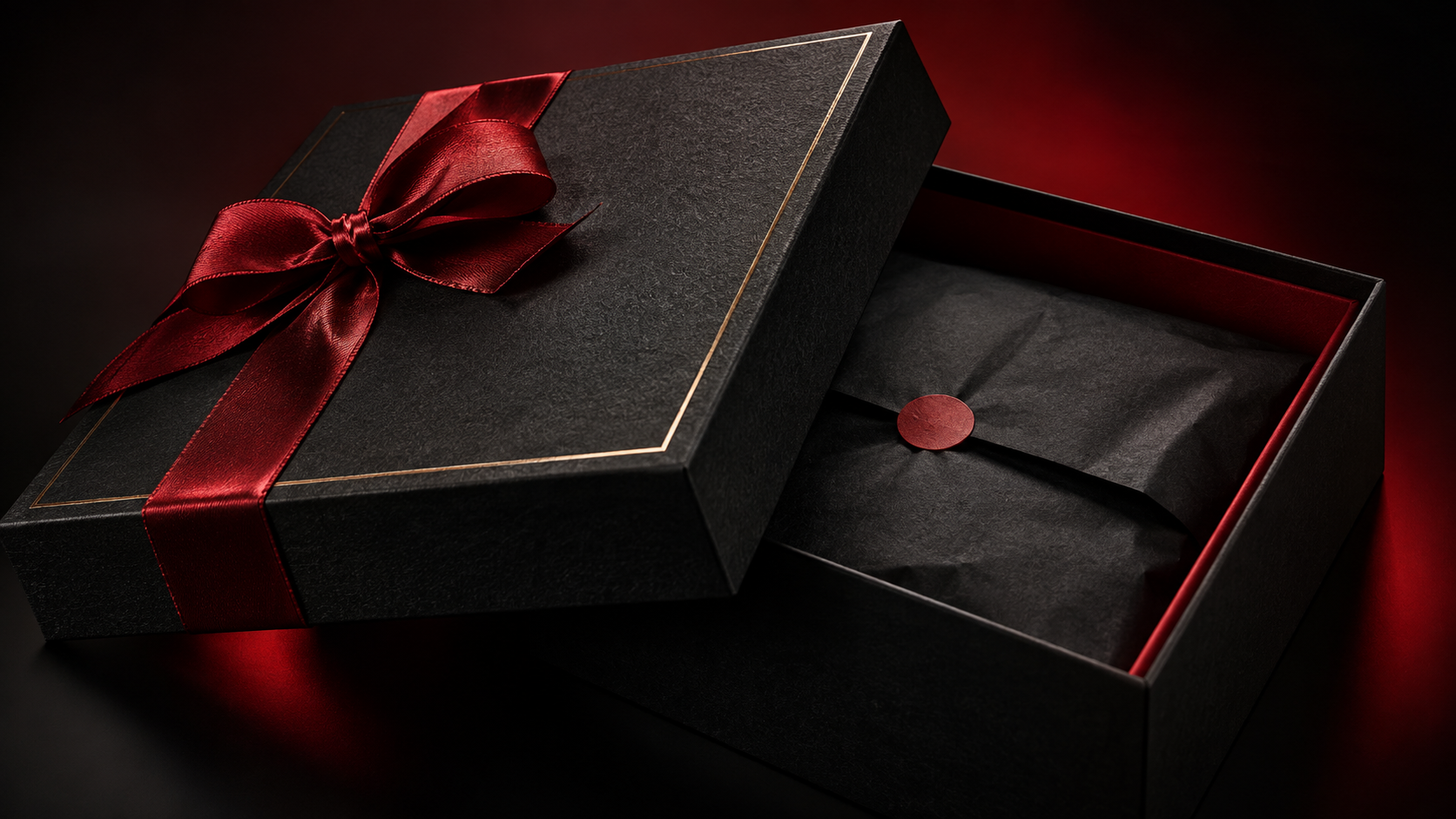
The unboxing moment can become content a customer shares, especially in e-commerce and gifting. Layer order, ease of access, an inner message, and how items are secured all build an impression of attention to detail.
But the unboxing experience shouldn't come at the cost of easy shipping or unnecessary size increase without added value. Good design achieves the right experience with the least necessary complexity.
Sampling and testing before production
Before the final quantity, it's best to test sizing, closure, loading, printing and folding. The project may need a small adjustment to the cavity, thickness, or opening direction after trying the real product. This step is cheaper than discovering a problem after the full run is manufactured.
Art Zone brings together design, printing, cutting, finishing and assembly according to each project's scope, while checking how the box connects with the identity and the rest of the print materials and gifts. Learn more about our production capabilities.
Start from the real product
Send photos of the product, its dimensions, weight, quantity and how it's used to Art Zone to get a suitable packaging concept. Contact us: 01115404818 or artzone-adv.com/contact.